
Dubai has approved a landmark AED18 billion package of strategic projects and government initiatives aimed at strengthening economic growth, improving quality of life and accelerating the emirate’s long-term development agenda.
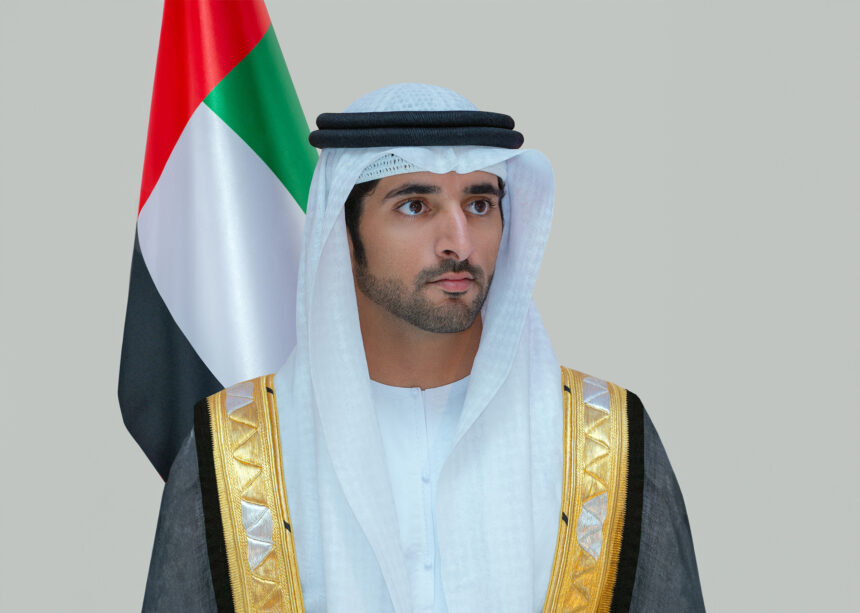
The approvals were announced by H.H. Sheikh Hamdan bin Mohammed bin Rashid Al Maktoum, Crown Prince of Dubai, Deputy Prime Minister and Minister of Defence of the UAE, and Chairman of The Executive Council of Dubai, during a meeting of the council.
The package spans multiple sectors, including infrastructure, trade, investment, finance, culture, urban planning, education and digital government, reflecting Dubai’s continued strategy of combining economic diversification with large-scale public investment.
Wide-Ranging Projects Across Strategic Sectors
The approved initiatives include the Dubai Cultural Strategy 2033, the Dubai Customs Strategy 2030, major transport infrastructure projects, new investment initiatives, workforce development programs and digital government services designed to improve policymaking and public sector efficiency.
Together, the projects are intended to strengthen Dubai’s competitiveness while supporting the objectives of the emirate’s long-term development plans, including the Dubai Plan 2033, the Dubai Social Agenda 33 and the Dubai Economic Agenda D33.
Infrastructure and Investment Remain Key Priorities
Among the largest infrastructure projects approved is the First Al Khail Street Development Plan, which includes a 15-kilometre elevated road running parallel to Sheikh Zayed Road. Construction is scheduled to begin in the third quarter of 2027 and conclude in the fourth quarter of 2030.
The project is expected to serve approximately 2.6 million people, reduce peak travel times on Sheikh Zayed Road by 51%, and increase road capacity by around 9,000 vehicles per hour.
The Executive Council also approved the creation of the Dubai Investor Register, a unified database designed to support the Dubai Economic Agenda D33’s objective of attracting AED650 billion in foreign direct investment by 2033 while simplifying operations for investors across multiple business jurisdictions.
Supporting Future Growth Through Innovation
Additional initiatives approved include a real-time population monitoring system powered by artificial intelligence, new strategies to increase Emirati participation in private education, an updated citywide address system, and the establishment of the Global Centre for Technology and Innovation in Islamic Finance, which will be managed by Dubai International Financial Centre (DIFC).
The broad scope of the approvals reflects Dubai’s continued focus on combining physical infrastructure with digital transformation, investment attraction and human capital development as part of its long-term economic strategy.
Why It Matters
The AED18 billion package demonstrates Dubai’s integrated approach to economic development, where infrastructure investment, cultural development, digital transformation, talent development and investment policy are advanced simultaneously. Rather than focusing on a single sector, the initiatives reinforce the emirate’s long-term strategy of building a diversified, innovation-driven economy while improving competitiveness, public services and quality of life. The approvals also underline Dubai’s continued commitment to achieving the objectives of the Dubai Economic Agenda D33, which seeks to position the emirate among the world’s leading cities for business, investment and innovation.