
The Dubai Future Foundation (DFF), in collaboration with the World Economic Forum (WEF), has released the Top 10 Emerging Technologies of 2026 report, highlighting the innovations expected to have the greatest impact on economies, industries and societies in the years ahead.
Published annually, the report identifies technologies that demonstrate strong potential to accelerate scientific progress, strengthen sustainability, improve healthcare, enhance energy systems and reshape digital infrastructure. The technologies were selected based on three primary criteria: novelty, transformative potential and their expected contribution to building a more prosperous and sustainable future.
The 10 Technologies Expected to Shape the Future
The 2026 edition highlights ten emerging technologies that researchers believe are approaching broader commercial and societal adoption:
- Everything-to-Grid Energy
- Direct Lithium Extraction
- Passive Radiative Cooling Materials
- PFAS Destruction Technologies
- Precision Fermentation Micro-Factories for Food, Medicine and Materials
- Exosome Drug Delivery
- Personalised mRNA Cancer Vaccines
- Quantum Simulation for Drug Discovery
- World Models in Artificial Intelligence
- Lattice-Based Cryptography
Together, these technologies represent advances across clean energy, biotechnology, healthcare, artificial intelligence, advanced manufacturing and next-generation cybersecurity, illustrating how innovation is increasingly driven by interdisciplinary research.
Technologies With Global Economic Potential
According to the report, the selected technologies have the potential to improve critical sectors including healthcare, energy, food production, scientific research and digital infrastructure. Rather than focusing solely on scientific breakthroughs, the report evaluates technologies based on their readiness to generate measurable economic and societal value over the coming years.
The publication is intended to help governments, businesses, investors, researchers and policymakers better understand where technological innovation is heading and how emerging solutions could influence long-term economic development and competitiveness.
Dubai Strengthens Its Role in Global Innovation Research
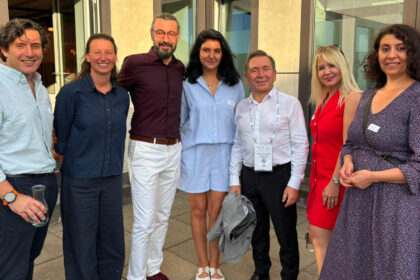
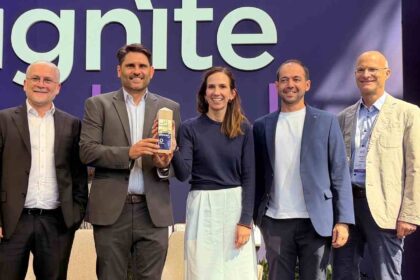
The report was released alongside the UAE delegation’s participation in the World Economic Forum Annual Meeting of the New Champions 2026, widely known as Summer Davos, held in Dalian, China.
For the second consecutive year, Dubai Future Foundation contributed to the development of the report by participating in the evaluation of emerging technologies and assessing their future applications, commercial potential and long-term impact across strategic sectors. The World Economic Forum’s research teams led the technical analysis of each technology’s maturity and future trajectory.
Why These Technologies Matter
Many of the technologies featured in this year’s report address some of the world’s most pressing challenges, including energy security, climate resilience, sustainable manufacturing, advanced medicine and cybersecurity. Innovations such as personalised mRNA cancer vaccines, quantum-powered drug discovery and AI world models demonstrate how breakthroughs are increasingly moving from research laboratories toward practical commercial applications.
At the same time, developments such as lattice-based cryptography highlight the growing importance of preparing digital infrastructure for the quantum computing era, while technologies including direct lithium extraction and Everything-to-Grid Energy could play a significant role in supporting the global transition to cleaner energy systems.
Why It Matters
The Top 10 Emerging Technologies report has become one of the most closely watched annual outlooks for governments, technology companies and investors seeking to understand where the next wave of innovation is likely to emerge. By identifying technologies before they reach mainstream adoption, the report provides valuable insight into future investment opportunities, industrial transformation and scientific priorities. It also reinforces the growing collaboration between international institutions and innovation ecosystems such as Dubai in shaping the technologies expected to define the next decade.